
When Glass Becomes the Weak Link
31 Jul 2026
How Tested Glazing Performance Helps Reduce Building Envelope Risk
Glass and glazing systems are being asked to do more as buildings face stronger storms, higher performance expectations, and greater scrutiny around long-term envelope performance. Beyond daylight and design, they play a role in energy performance, comfort, acoustics, security, and overall building envelope performance.
But a glazing system can look correct after installation and still underperform when exposed to real conditions. Wind, water, pressure cycling, debris impact, thermal stress, fogging, forced entry, acoustic demands, and installation differences can reveal problems that were not obvious during design review.
When glazing becomes the weak point, the results can include leaks, glass breakage, occupant safety concerns, failed inspections, delayed approvals, premature failures, costly repairs, insurance questions, and reduced confidence in the building envelope.
Performance Cannot Be Assumed
A finished facade does not always tell the full story.
Windows, curtain walls, storefronts, skylights, glass doors, and protective glazing systems depend on more than the glass itself. Coatings, interlayers, spacers, sealants, frames, gaskets, anchorage, drainage, and installation details all affect how the full assembly performs.
A small variation in one part of the assembly can change the result. A laminated system may require a specific interlayer, frame, and anchorage to meet an impact or forced-entry requirement. An insulating glass unit may pass an initial visual check but later develop fogging if the edge seal fails. A curtain wall may appear complete but leak at transitions if water management was not verified under pressure.
Testing gives project teams evidence that drawings and visual review cannot provide. It helps confirm whether the system can meet the standard, support the claim, and perform in the conditions it is likely to face.
Start With the Risk
Testing glazing performance starts by defining what each opening must do.
For many projects, the first question is not “What glass should we use?” It is “What risk does this opening need to address?”
A coastal hotel may need windborne-debris impact and cyclic-pressure testing. A school entry may need forced-entry-resistant glazing that still supports daylight and visibility. A hospital may need acoustic control, thermal performance, and reliable insulating glass durability. A commercial tower may require documentation for air, water, structural, thermal, and field performance.
Specifications should also separate similar-sounding performance characteristics. Safety glazing is not the same as forced-entry-resistant glazing. Ballistic resistance is not the same as forced-entry resistance after impact. Hurricane impact testing is not the same as daily air and water performance. Each performance characteristic needs the right test method and documentation.
Specify, Test, and Verify
The path from assumed performance to documented performance has three parts: specification, testing, and field verification.
Specification sets the performance target. It should identify the hazard, applicable standard, approval path, and building condition where the glass will be used. When clear performance requirements are not specified, issues with visual approvals, tolerances and performance risk becoming a target of claims and settlements during and after construction.
Testing moves the discussion from product claims to measurable results. For manufacturers, laboratory testing can confirm whether a product is ready for certification, approval, launch, or specification. For project teams, mockup testing can show how the system performs before full installation.
Field verification checks the installed condition. A tested product can still underperform if the installed system does not match the tested system, especially at transitions and interfaces.
Many field problems occur where systems meet. Water may enter around perimeter sealant, through a transition, at joint plugs, behind flashing, at an anchor penetration, or through an adjacent wall, roof, or sealant assembly.
How Intertek Can Help
Intertek supports manufacturers, architects, contractors, building owners, and project teams with glass and glazing testing, certification, inspection, field diagnostics, and failure analysis services.
These services help verify how glazing systems perform across product development, certification, installation, diagnostics, and post-repair review.
The risk is not that the glass is weak. The risk is assuming it will perform without testing the correct product, assembly, condition, and threat level.
Glazing performance should be proven before it becomes the weak link.

You may be interested in...
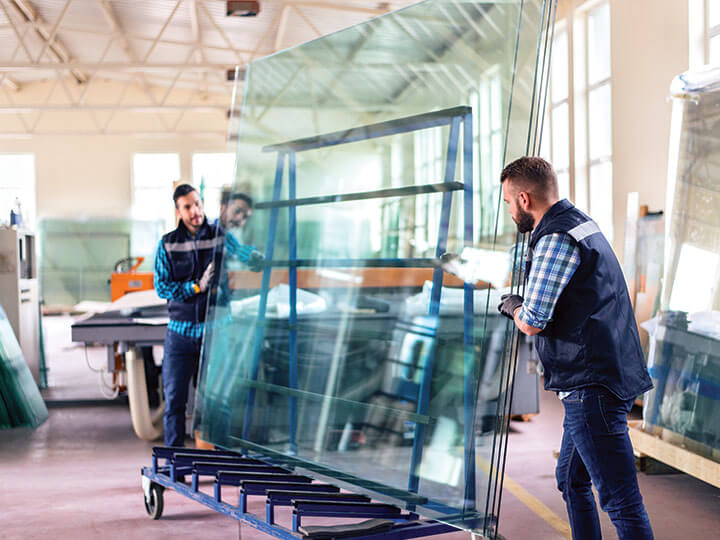
Glass and Glazing Testing, Certification & Failure Analysis
Reduce risk and validate the performance of your glass and glazing materials.
When Glass Becomes the Weak Link: How Tested Glazing Performance Reduces Building Envelope Risk
Learn how independent testing, certification, and field verification close this gap and protect your building's lifecycle with our white paper, When Glass Becomes the Weak Link: How Tested Glazing Performance Reduces Building Envelope Risk.