
Low-Level Carbon Monoxide Alarms: Advancing Early Detection and Life Safety
10 Sep 2026
Prolonged Low-level Exposure is Driving Attention in more Sensitive Detection Solutions
Carbon monoxide (CO) remains one of the most dangerous unseen hazards in residential and commercial environments. As a colorless, odorless, and tasteless gas produced by incomplete combustion, CO cannot be detected without proper alarm technology. While traditional alarms certified to UL 2034 play a critical role in protecting against acute, life-threatening exposure, growing awareness of the health risks associated with prolonged low-level exposure is driving attention in more sensitive detection solutions.
Low-level CO alarms are designed to fill this important gap. Unlike conventional alarms, which are intentionally calibrated to avoid nuisance alerts and typically do not activate below approximately 70 ppm, low-level devices detect concentrations as low as 20-30 ppm and often respond within minutes. These lower levels, while not immediately life-threatening, can cause symptoms such as headaches, dizziness, fatigue, and nausea when exposure is sustained, symptoms that are often misdiagnosed or overlooked. For vulnerable populations, including children, older adults, and individuals with underlying health conditions, early detection can be especially critical.
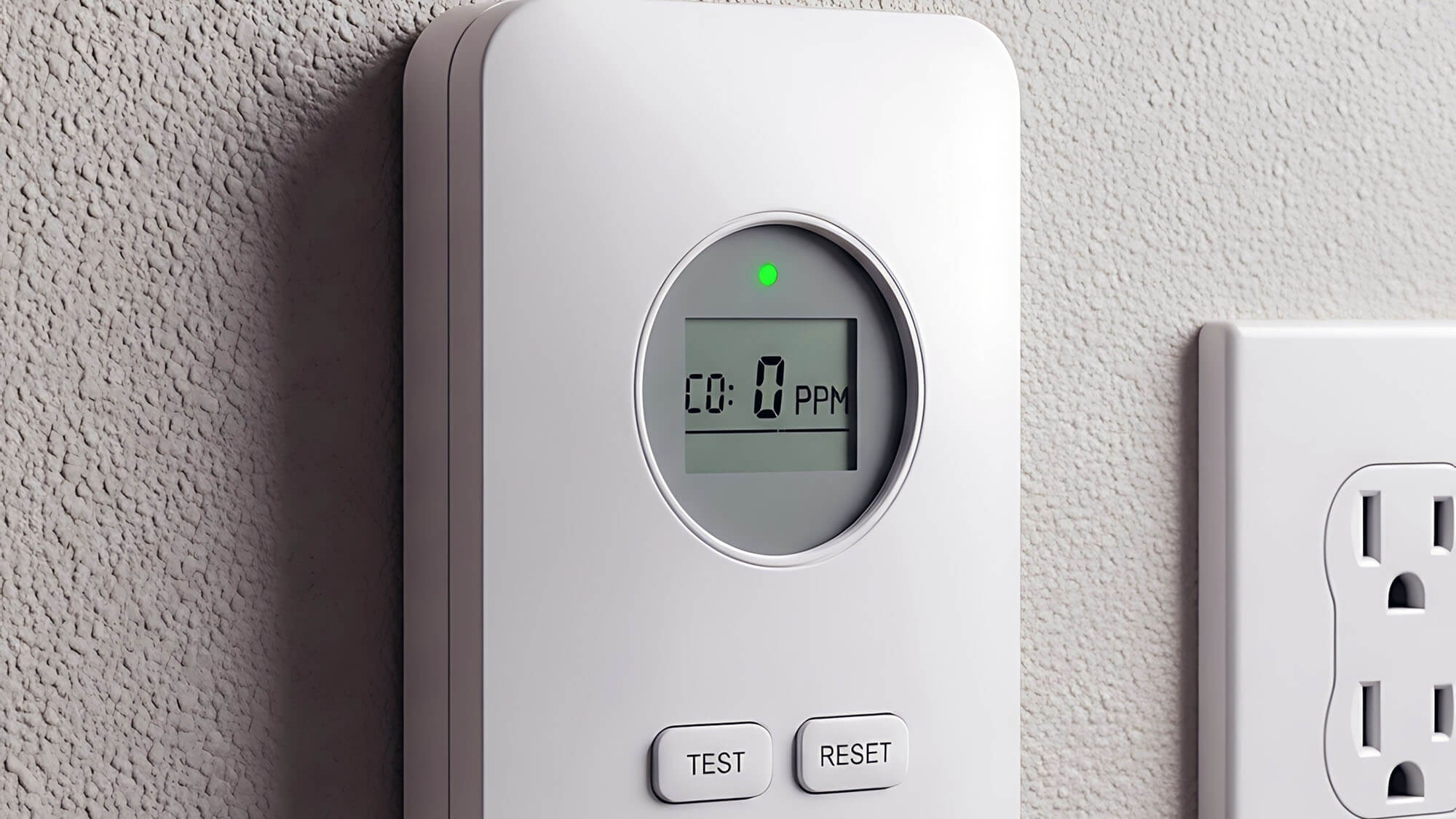
Rather than replacing UL 2034-listed carbon monoxide alarms, low-level CO alarms can serve as a complementary layer of protection, providing earlier warning and greater visibility into developing conditions. Traditional CO alarms are designed to alert occupants when CO concentrations reach specific levels and exposure times, helping protect against potentially dangerous conditions. Low-level CO products, by contrast, can provide awareness of lower concentrations that may not trigger a conventional alarm, giving homeowners and building occupants additional information about what may be happening in their environment. This added visibility can be particularly valuable in identifying recurring or gradually developing conditions that might otherwise go unnoticed. In addition to audible or visual alerts, some low-level CO products provide real-time concentration readings, historical data, and trend information. This data can give homeowners, facility personnel, and technicians valuable situational awareness, helping them recognize patterns and investigate potential sources such as malfunctioning or improperly adjusted combustion appliances, inadequate ventilation, or other conditions that could contribute to elevated CO levels before they become more serious.
As this product category continues to evolve, manufacturers face important challenges in establishing clear performance expectations, defining appropriate use cases, communicating product capabilities, and demonstrating the reliability of their technology. In particular, the absence of a dedicated standard specifically addressing low-level CO alarming can create uncertainty around how these products should be evaluated and positioned in the marketplace. Manufacturers therefore need to be especially thoughtful about the distinction between low-level monitoring or early warning and the life-safety function of a UL 2034-listed CO alarm. Robust testing and validation can help manufacturers demonstrate that their products perform consistently under defined conditions, while clear labeling, instructions, and marketing can help ensure that users understand both the capabilities and limitations of the technology. Taking this approach can help manufacturers build confidence among consumers, installers, AHJs, and other stakeholders while establishing a stronger foundation for product acceptance and long-term market success.
Intertek brings decades of expertise in life safety testing to support manufacturers at every stage of development. From sensor performance evaluation and pre-compliance testing to full certification and global market access, Intertek helps ensure products meet rigorous safety, accuracy, and reliability expectations. Our engineering teams work collaboratively with manufacturers to develop effective test plans, validate product claims, and navigate complex regulatory landscapes.
Equally important, Intertek’s responsive service model and short queue times help accelerate time to market. By minimizing delays and providing expert guidance throughout the process, we enable manufacturers to innovate confidently while maintaining high standards of safety and quality.
As demand for enhanced CO detection grows, low-level alarms represent a meaningful advancement in life safety, delivering earlier warnings, improved health protection, and greater peace of mind.

You may be interested in...
Alarms and Detectors Testing and Certification
We specialize in providing end-to-end solutions for alarms, detection devices, and other critical electrical safety equipment ensuring they meet the highest standards of performance, reliability, and compliance.