
Plug-in Solar is Arriving in North America

16 Sep 2026
What Manufacturers Should Know About UL 3700
Plug-in solar, often called balcony solar, has become a common sight in many parts of Europe. Designed for apartments, condominiums, and other locations where traditional rooftop solar isn't practical, these systems allow users to generate electricity with a relatively simple installation.
As interest in this technology begins to grow in North America, manufacturers are asking an important question:
How will these products be evaluated for safety?
That's where UL 3700, the first issue of Outline of Investigation for Interactive Plug-in Photovoltaic (PIPV) Equipment and Systems, comes in. The outline establishes a framework for evaluating this new generation of plug-in photovoltaic products and addresses safety considerations that aren't found in traditional rooftop PV installations. It references multiple established standards to address a broad range of protection functions, including ground-fault circuit interruption (GFCI), photovoltaic rapid shutdown, and electric vehicle (EV) charging integration, ensuring safe operation, grid compatibility, and user protection. UL 1741 covers inverters and interconnection equipment, including requirements for anti-islanding and grid support functions. UL 9540 addresses energy storage systems, while UL 9540A provides a test method for evaluating thermal runaway fire propagation. The National Electrical Code, including Section 690.12 on rapid shutdown, continues to provide the baseline for safe PV installations.
Why Plug-in Solar is Different
Most photovoltaic systems today are permanently connected to a building's electrical system. They require permits, inspections, and installation by qualified professionals.
Plug-in solar takes a different approach. It prioritizes simplicity and accessibility, using existing circuits and often allowing user installation – raising concerns about evaluation, safety, and interaction with the broader electrical system. These systems are intended to be easier to install and connect through a dedicated plug-in photovoltaic receptacle rather than permanent building wiring. Some systems consist only of PV modules and a microinverter, while others may incorporate energy storage or additional power electronics.
That flexibility is part of what makes the technology attractive, but it also creates new questions around electrical safety, system interaction, and product certification.
A New Standard for an Emerging Market
UL 3700 was developed specifically for this product category.
Rather than replacing existing photovoltaic standards, it builds on them by addressing the unique characteristics of plug-in PV equipment. Depending on how a product is designed, manufacturers may also need to demonstrate compliance with standards covering inverters, PV modules, mounting systems, batteries, or energy storage equipment.
In many cases, certification involves more than a single standard because these products combine several technologies into one system.
What Does UL 3700 Evaluate?
The outline looks at the overall safety of the product, beginning with its construction.
Engineers evaluate items such as:
- Bonding and grounding
- Field wiring connections
- Electrical protection
- Connector ratings
- Class A bidirectional GFCI protection
- Compliance of system components with their applicable product standards
Testing then verifies that the product performs safely under expected operating conditions. Depending on the equipment, evaluations may include mechanical loading, impact resistance, leakage current, temperature testing, stability, and PV module performance.
Grid interaction introduces another layer of complexity. Plug-in systems can backfeed into branch circuits, which may affect load calculations and overcurrent protection.
Products that integrate plug-in PV functionality into another end product may also require additional evaluations based on that product's existing safety standard.
This outline does not evaluate or verify the structural integrity or load-bearing capacity of the building components themselves, such as balcony railings.
Don't Overlook Markings and Instructions
For a product intended to simplify installation, clear instructions become just as important as the hardware itself.
UL 3700 includes requirements for permanent product markings as well as installation, operation, maintenance, and storage instructions. Manufacturers must also communicate important safety information related to electrical shock, fire hazards, and proper installation.
These details help ensure products are installed and used as intended throughout their service life.
Preparing for Certification
As balcony solar continues to evolve, manufacturers should evaluate certification requirements early in the product development process.
Many systems combine multiple technologies – including photovoltaic modules, inverters, energy storage, connectors, and mounting hardware – which often means multiple safety standards apply simultaneously. Identifying these requirements during design can help reduce delays later in the certification process.
Working with an experienced certification partner can also help manufacturers understand which standards apply, develop efficient testing programs, and prepare products for North American market access.
Supporting the Next Generation of Plug-in Solar
The emergence of UL 3700 reflects the continued evolution of distributed renewable energy technologies. As manufacturers introduce new plug-in solar solutions, independent testing and certification play an important role in demonstrating product safety and supporting regulatory acceptance.
Intertek provides testing and certification services for photovoltaic modules, inverters, energy storage systems, power electronics, and complete plug-in photovoltaic systems. Our renewable energy experts help manufacturers navigate applicable standards, evaluate product safety, and prepare products for successful entry into the U.S. and Canadian markets.
Whether you're developing a new balcony solar product or expanding an existing renewable energy portfolio, understanding UL 3700 is an important step toward bringing innovative plug-in solar technologies to market with confidence.

You may be interested in...
Plug-In Photovoltaic Equipment | Webinar
Watch this free on-demand webinar to learn how UL 3700 establishes the certification framework for interactive plug-in PV (balcony solar) equipment.
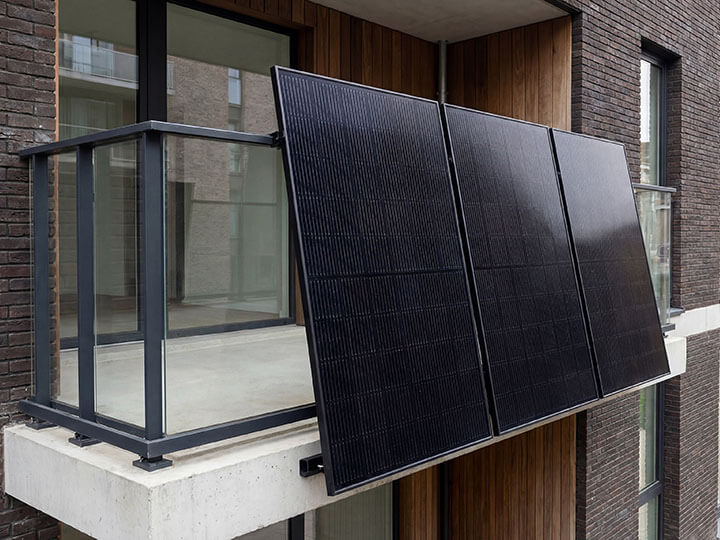
UL 3700 Testing and Certification for Plug-in Photovoltaic (PIPV) Equipment
Comprehensive UL 3700 Testing and Certification solutions for Plug-in Photovoltaic (PIPV) Equipment services across the renewable energy ecosystem, helping manufacturers streamline product development and market entry.